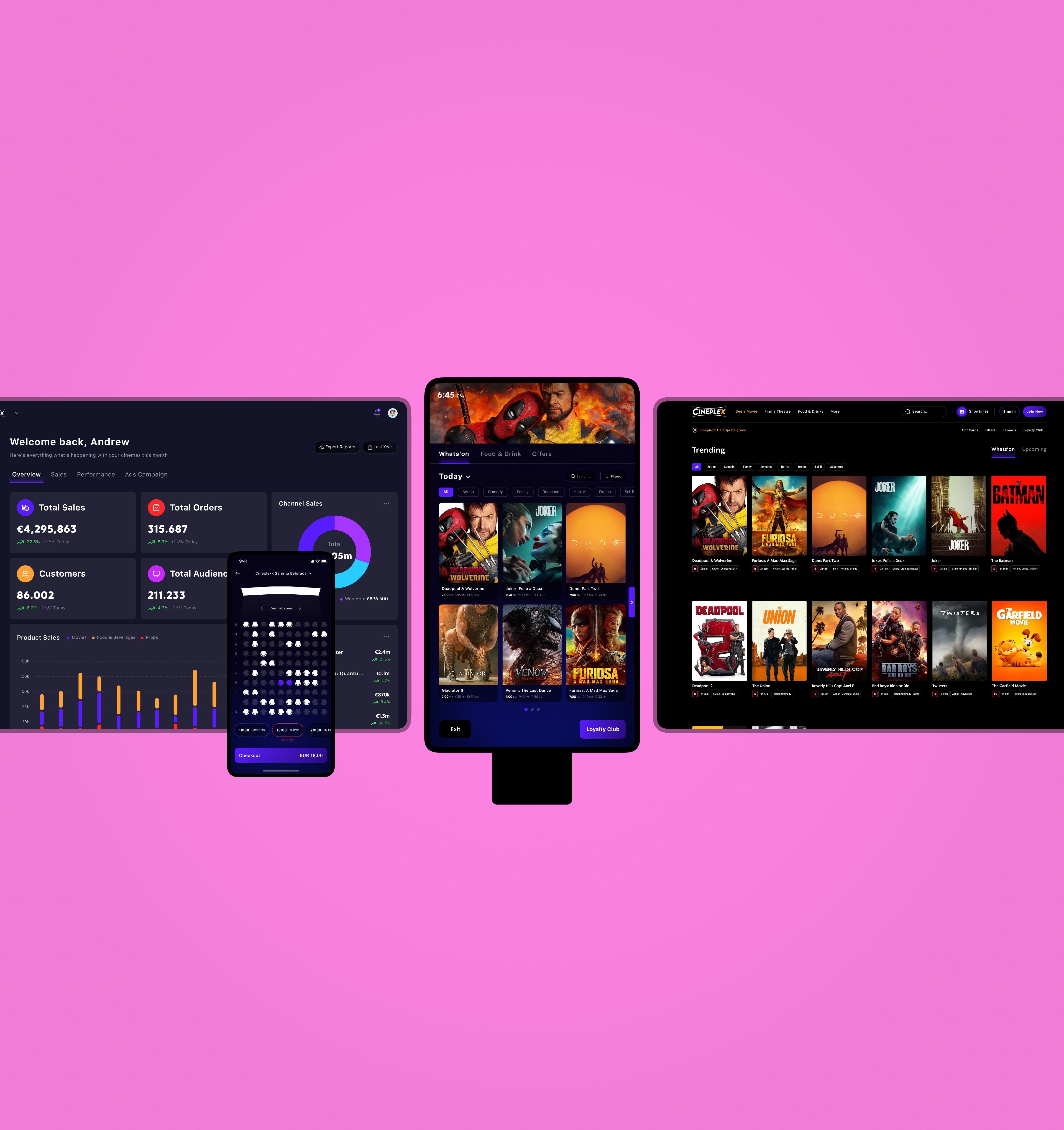
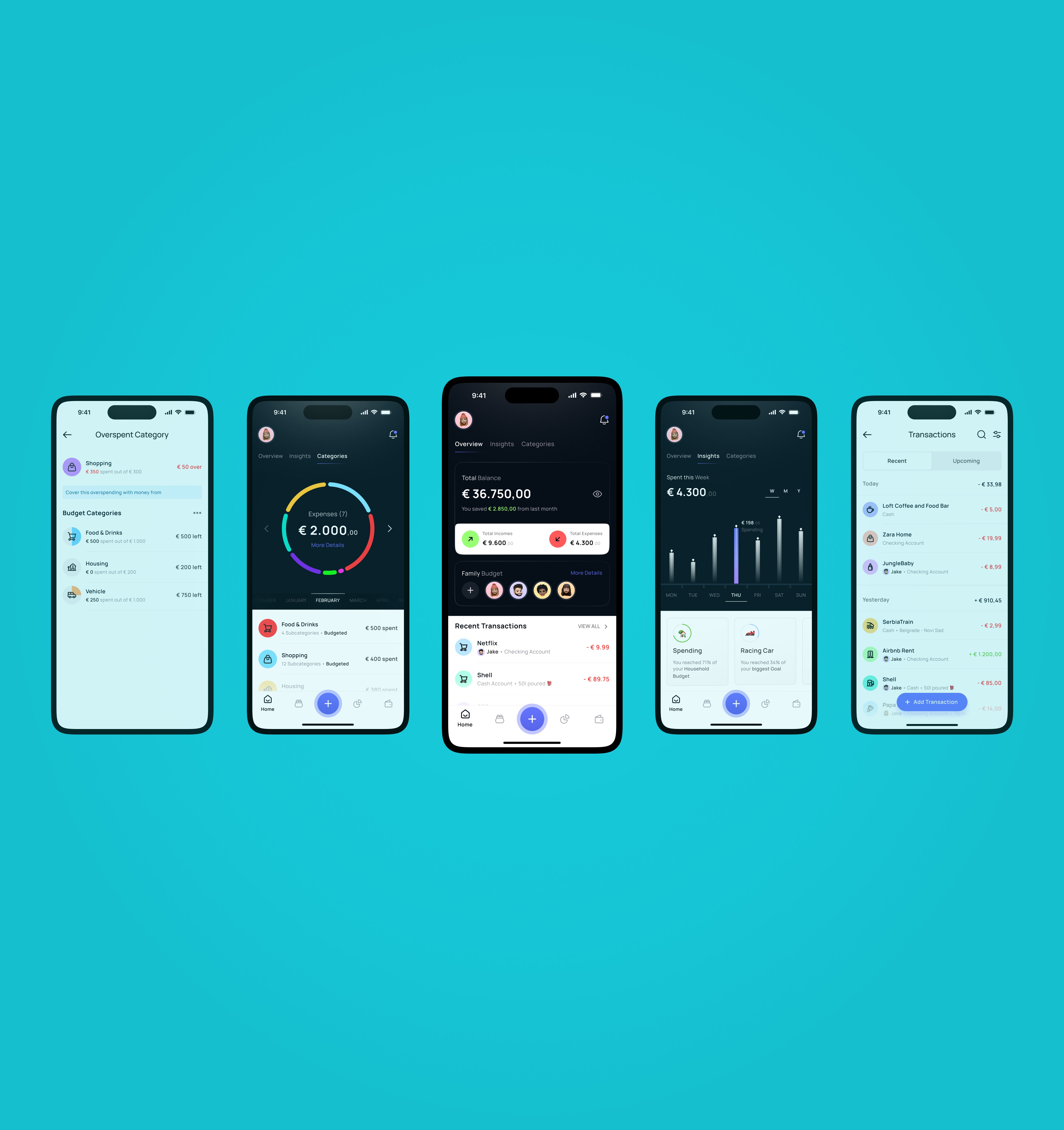
IoT Smart Home System
Energy Management
Redesigning a solar-powered smart home monitoring experience
B2C • Energy / IoT / Smart Home
Product Type & Domain
3 Months
Timeline
Web App • React
Platform
Context
This project involved the redesign of an existing B2C energy management application used by homeowners with installed solar systems and connected smart devices.
The product allows users to monitor:
Solar production
Energy consumption
Grid import/export
Battery levels
EV charging
Connected home devices
The application was already live, but the experience had become outdated and visually fragmented. The goal was to modernize the interface and improve clarity without disrupting existing system logic.
I worked on a full UX/UI redesign of the platform.
The Problem
Energy management systems are inherently complex. They combine:
Real-time data
Multiple energy sources (solar, grid, battery)
Connected devices
Performance analytics
Environmental conditions
The original solution struggled with:
Overloaded dashboards
Low visual hierarchy
Technical presentation of data
Poor contextual understanding of energy flow
Limited differentiation between system states
Users could see numbers — but not the story behind them.
The key challenge was not adding features, but making energy data intuitive and actionable for homeowners.
My Role
I worked as the Senior Product Designer responsible for:
UX strategy for the redesign
Information architecture restructuring
Redesigning the main system overview
Designing dual viewing modes (Visual vs Schematic)
Creating the analytics dashboard experience
Refining status indicators and system health logic
Improving visual hierarchy and data readability
The goal was to modernize the interface while preserving system reliability and clarity.
Core Design Challenge
The most complex challenge was:
How to present a full energy ecosystem without overwhelming the user.
The system includes:
Solar panels
Battery storage
Grid interaction
EV charging
Smart devices
Environmental data
Real-time production metrics
Instead of forcing users to navigate multiple screens, the redesign focused on layered visibility.
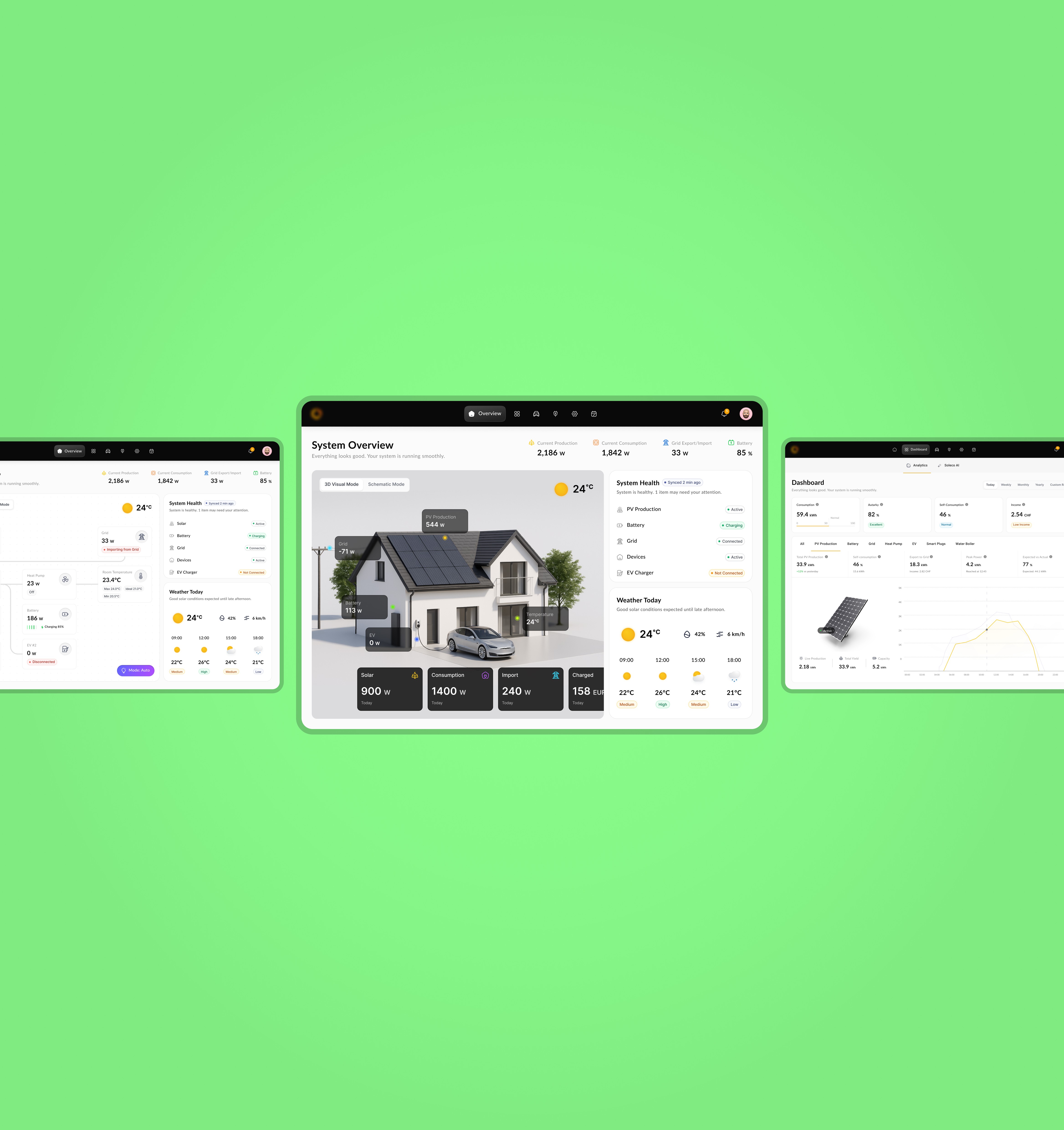
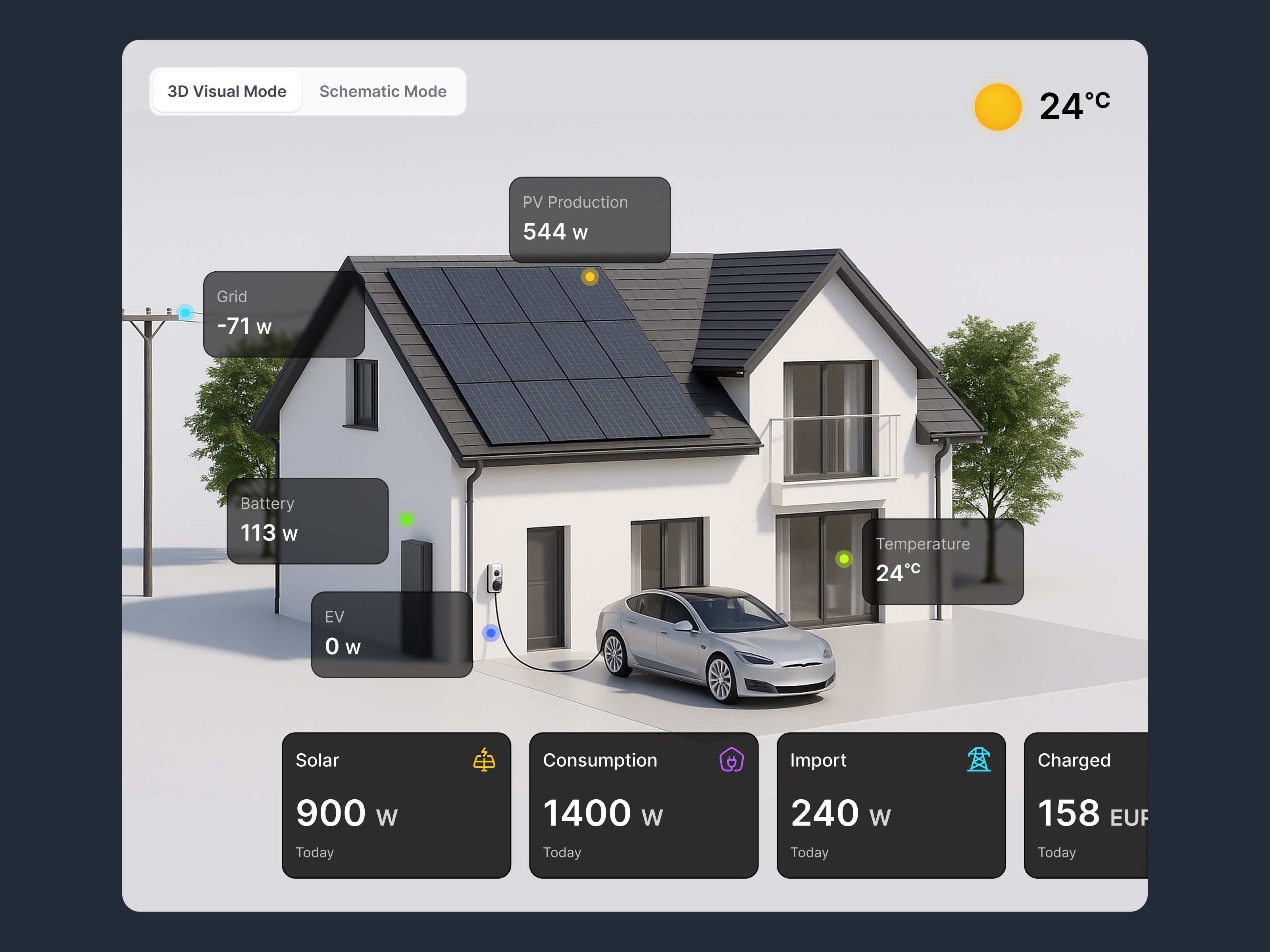
Dual Overview Modes
Visual Mode (3D System View)
A realistic house visualization displaying:
Live solar production
Battery status
Grid import/export
Device consumption
EV charging state
This mode improves emotional engagement and makes the system feel tangible.
Schematic Mode
A simplified system diagram showing:
Energy flow logic
Connected components
System state relationships
Charging and consumption statuses
This mode supports users who prefer clarity over visual storytelling.
System Health & Contextual Status
A dedicated health summary panel consolidates:
Production state
Device connectivity
Charging states
Error conditions
Instead of isolated alerts, the redesign groups status into meaningful categories.
Analytics Dashboard
The analytics section was redesigned to:
Surface key performance metrics
Provide timeframe controls (daily, weekly, monthly)
Highlight production vs consumption trends
Show export/import efficiency
Improve chart readability and visual consistency
The focus was on clarity over decoration.
Outcome
The redesigned product is live and actively used by homeowners.
The redesign:
Improved visual hierarchy
Reduced cognitive overload
Increased clarity in system status understanding
Created a more modern and trustworthy experience
Unified previously fragmented UI components
The project strengthened the overall usability of a data-heavy, real-time energy application.
What I Learned
Designing for energy systems reinforced how critical data prioritization and contextual clarity are in consumer-facing IoT products.
Users don’t want more numbers — they want confidence.
Balancing emotional visual engagement (3D view) with technical transparency (schematic mode) became a key design principle in this project.
Next Projects