B2C Omnichannel Platform
Cinema Omnichannel
Designing an integrated omnichannel system for modern cinema operations
B2B2C • Entertainment
Product Type & Domain
9 Months
Timeline
Web, Mobile, Kiosk, POS
Platform
Context
Cinema E-Commerce Platform was designed as an MVP for a startup aiming to modernize the cinema experience through a connected digital ecosystem.
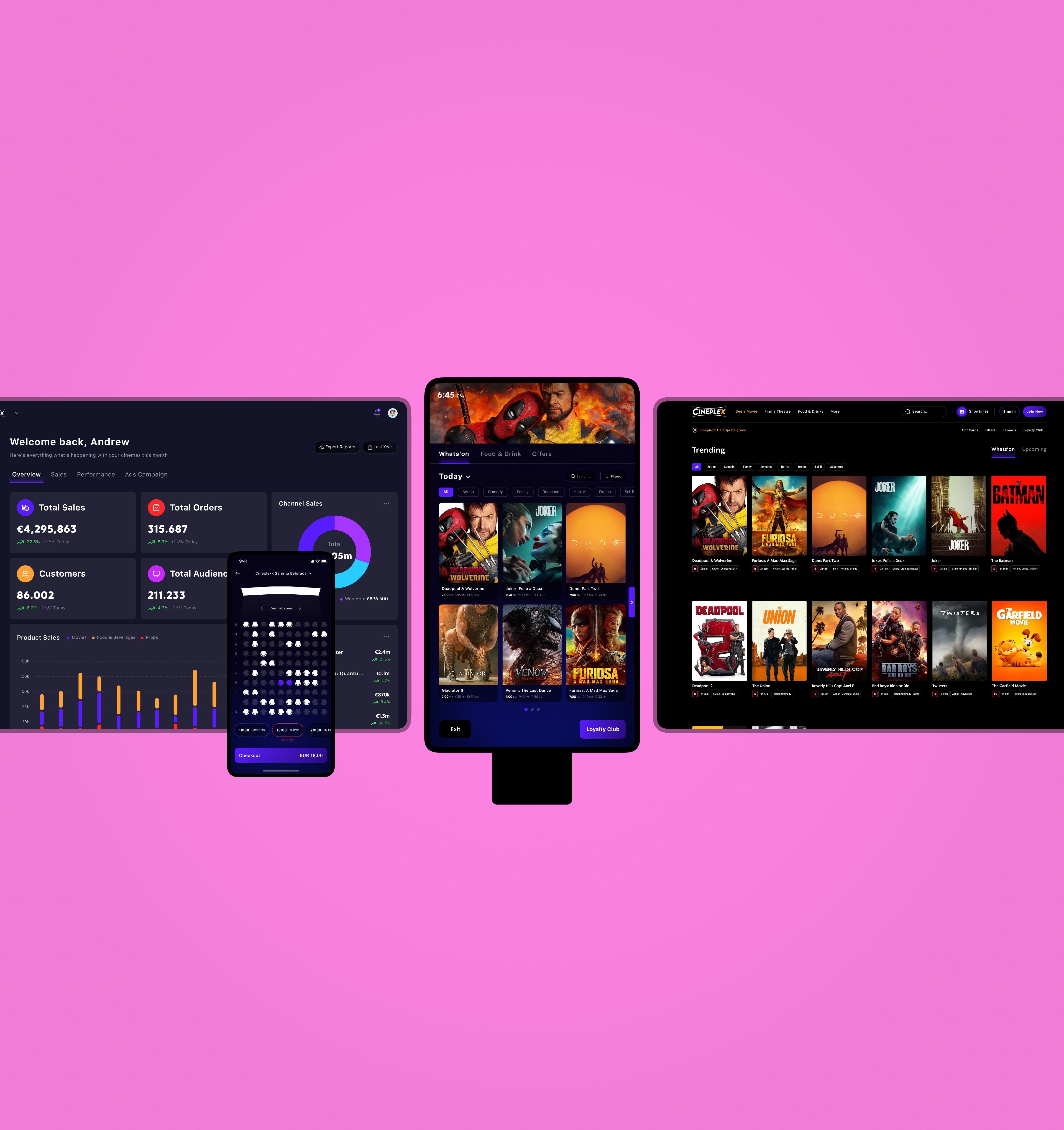
The product combined multiple touchpoints into a unified system:
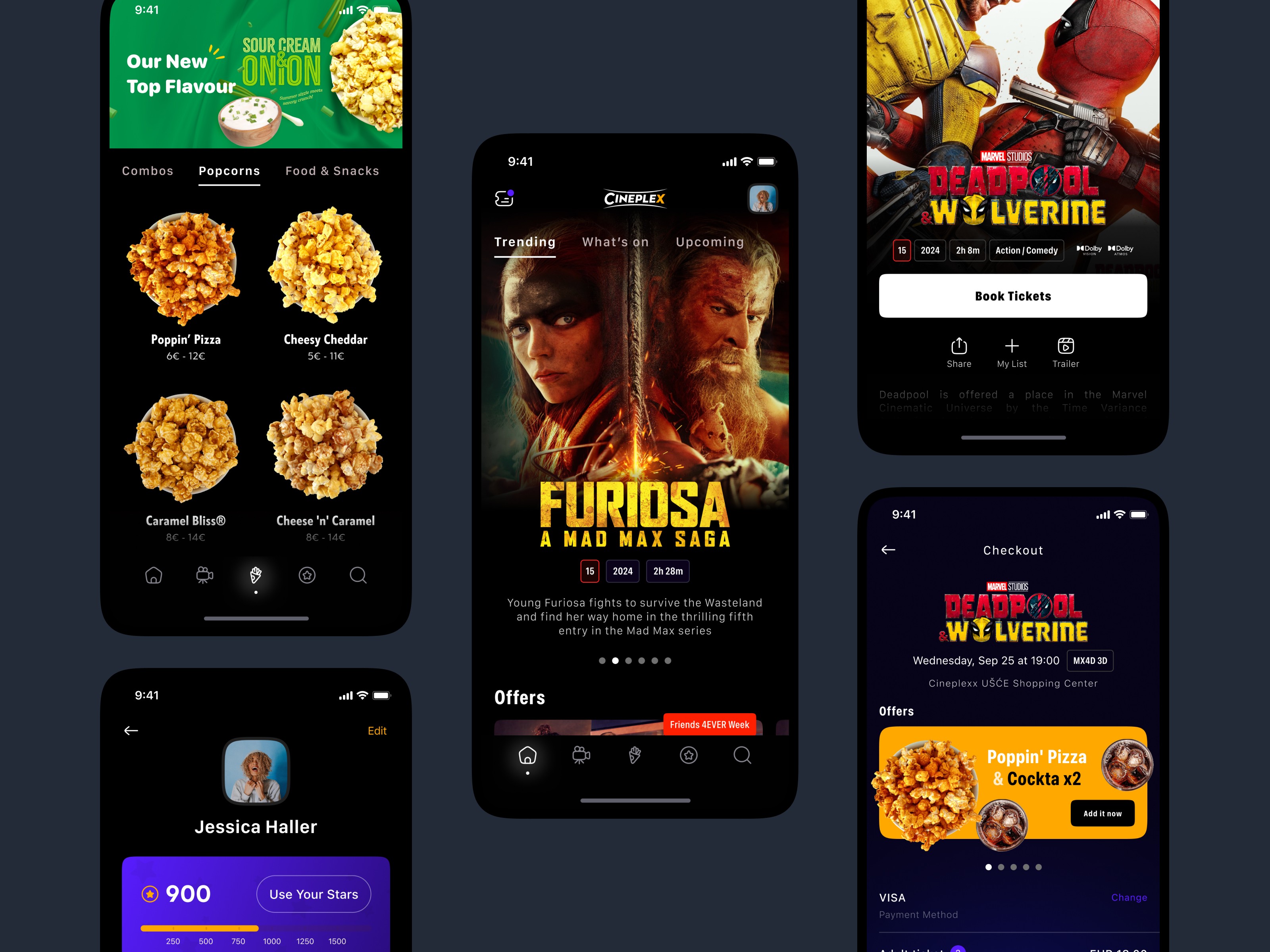
Customer-facing Web App
Mobile App
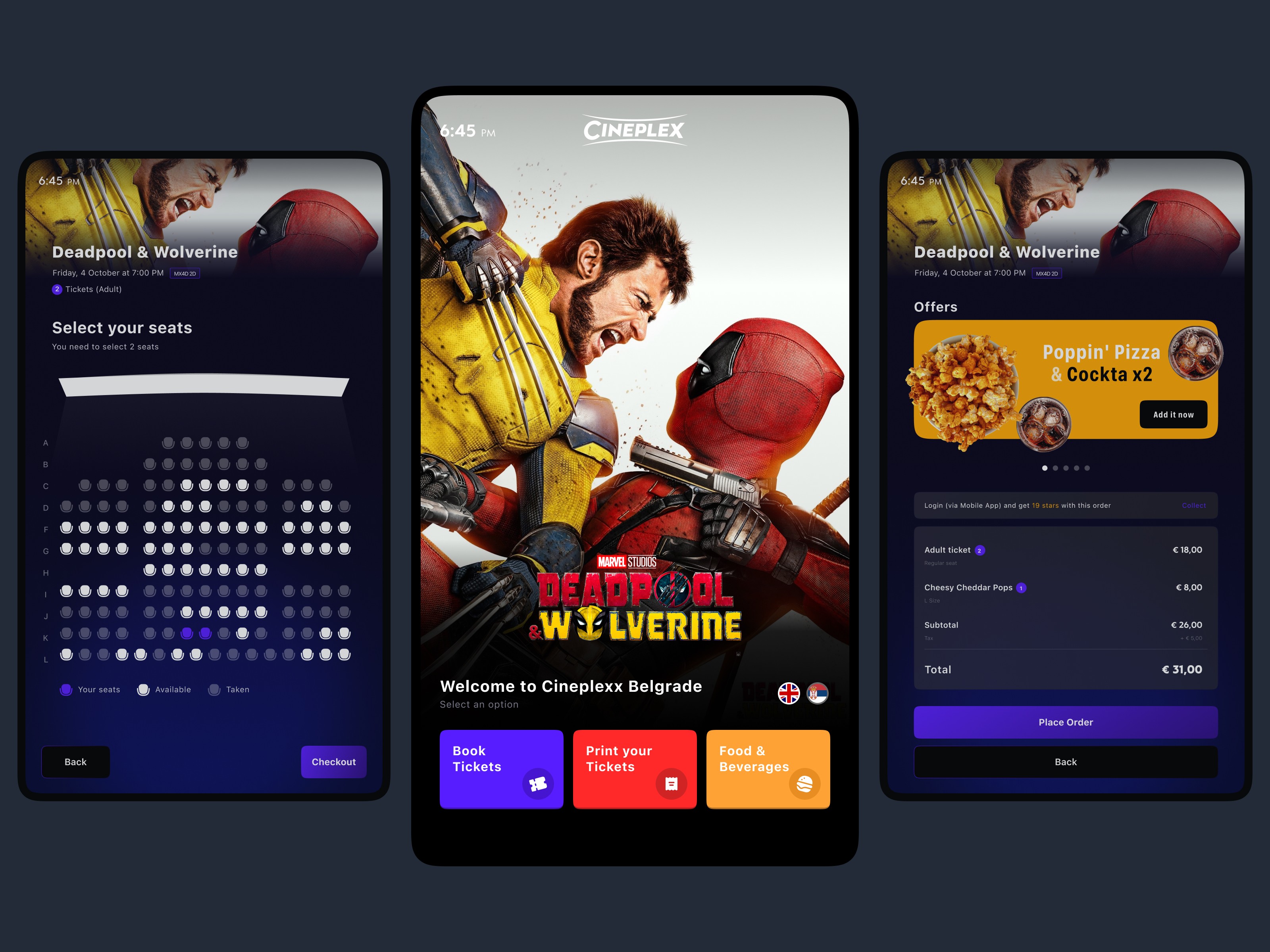
Self-service Kiosk
POS for staff
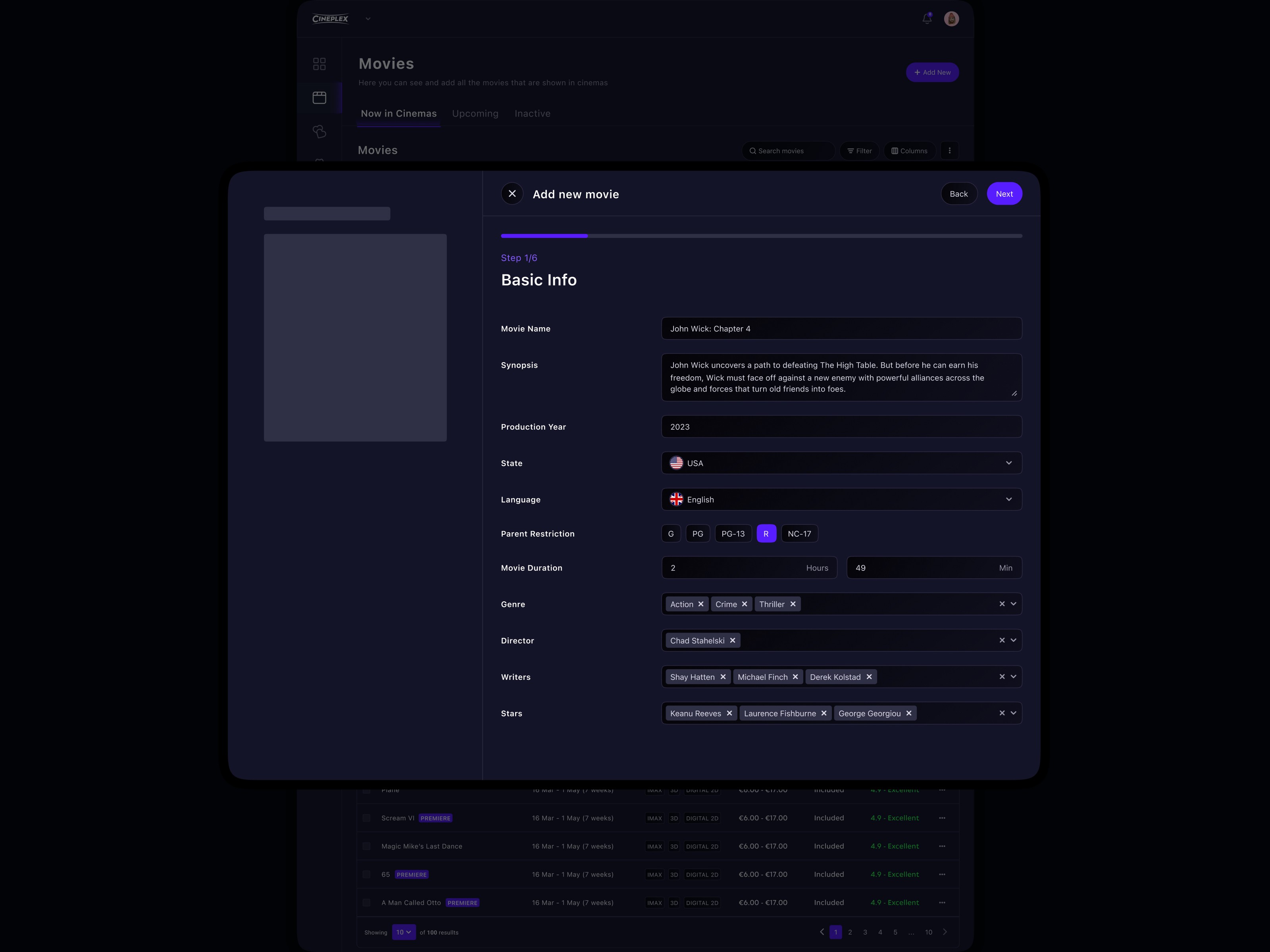
CMS & CRM for business operations
The goal was to redesign how tickets, reservations, and concession sales are handled — reducing friction for customers while improving operational control for cinemas.
I worked as the sole Senior Product Designer on the project.
The Problem
Traditional cinema environments often rely on:
Static websites for ticket browsing
Manual purchases at ticket counters
Separate concession sales
Disconnected operational systems
This led to recurring friction:
For Customers
Long queues
Limited pre-order options
No seamless way to combine tickets + snacks
Poor mobile optimization
Fragmented journey before and during the visit
For Business Operators
Limited visibility into sales performance
Manual content management
Disconnected customer data
Lack of automation across channels
The core issue wasn’t the absence of digital tools —
it was the absence of a connected ecosystem.
My Role
As the sole Senior Product Designer, I was responsible for:
Defining the full product architecture
Designing end-to-end customer flows
Creating consistent UX patterns across all platforms
Designing kiosk interactions for high-traffic environments
Structuring POS and CMS interfaces
Ensuring scalability for future features
I collaborated closely with founders and developers to align product decisions across all system components.
Core Design Challenge
The main challenge was:
Designing a unified system across digital and physical touchpoints without breaking user flow.
Unlike a single app, this product required designing:
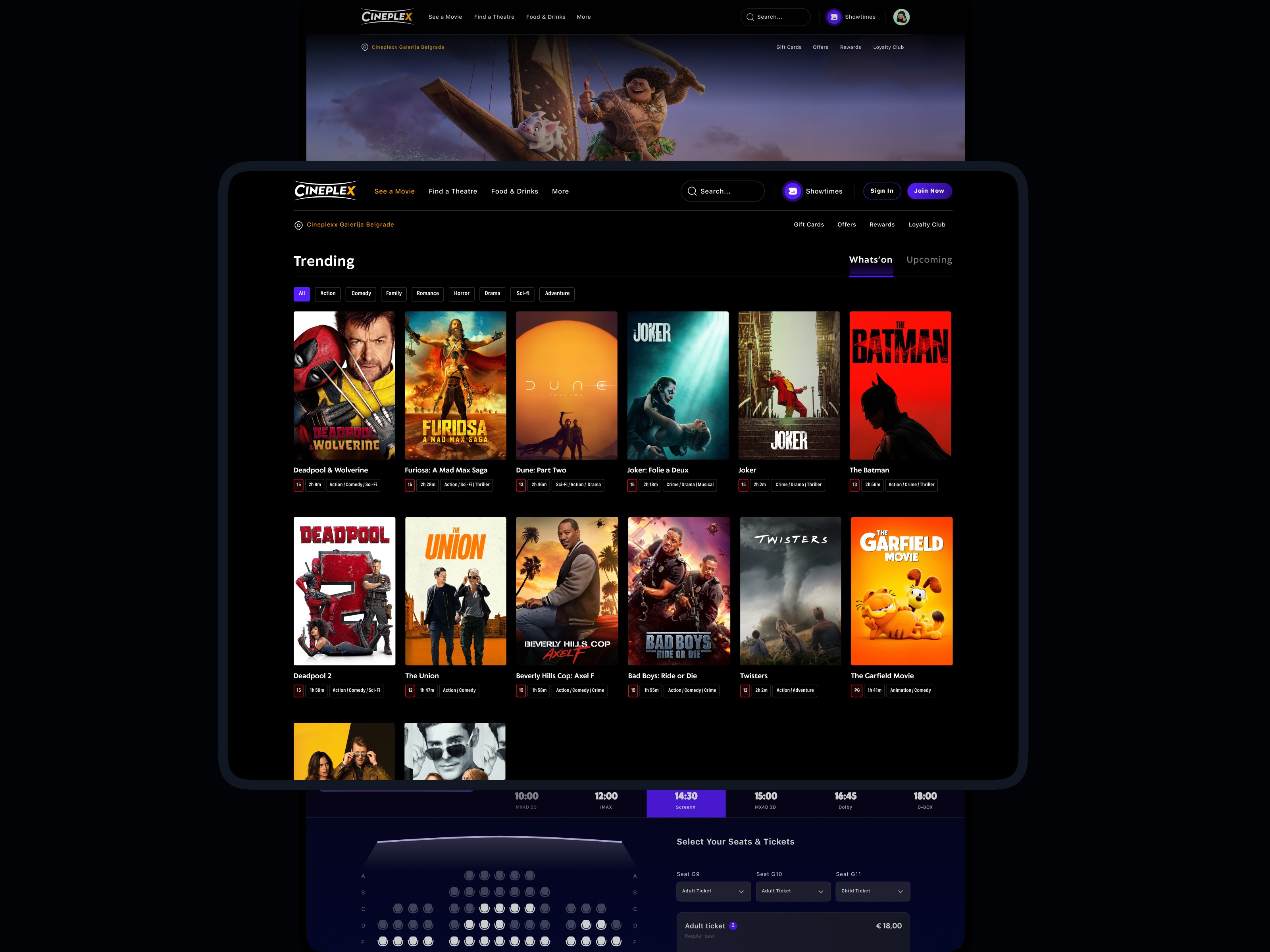
Pre-visit journey (browse, select seats, pay)
On-site interaction (kiosk, pickup, POS)
Back-office operations (content, reporting, CRM)
Each platform had different constraints:
Mobile = speed and clarity
Kiosk = fast, queue-optimized interaction
POS = operational efficiency
CMS = control and flexibility
The key design principles were:
Reduce steps in purchase flows
Minimize decision friction
Maintain visual consistency across platforms
Optimize for speed in real-world usage scenarios
Key Decisions
Unified Purchase Flow
Tickets and concessions were integrated into a single streamlined checkout experience to reduce repetitive transactions.
Self-Service Optimization
Kiosk flows were designed with:
Large touch targets
Minimal cognitive load
Fast seat selection
Clear feedback states
Modular Architecture
The system was structured to scale:
Multiple cinema locations
Variable pricing logic
Promotional campaigns
Loyalty integrations
Operational Visibility
Back-office tools were designed to provide:
Clear content management
Sales overview
Customer segmentation capability
Outcome
The MVP was successfully delivered as a cohesive omnichannel system.
The design:
Reduced friction across ticket and concession purchases
Unified digital and in-venue experiences
Created a scalable foundation for cinema operators
Improved consistency across all customer touchpoints
The project demonstrates large-scale system thinking applied to a real-world, high-traffic environment.
What I Learned
This project reinforced the importance of designing beyond a single interface.
When products span digital and physical environments, UX must account for:
Environmental constraints
Time pressure
Human behavior in queues
Operational workflows
True system design requires balancing customer delight with business efficiency.
Next Projects